
The Allure of Lowcountry Waterfront Living
Why Coastal and Marshfront Properties Capture the Imagination
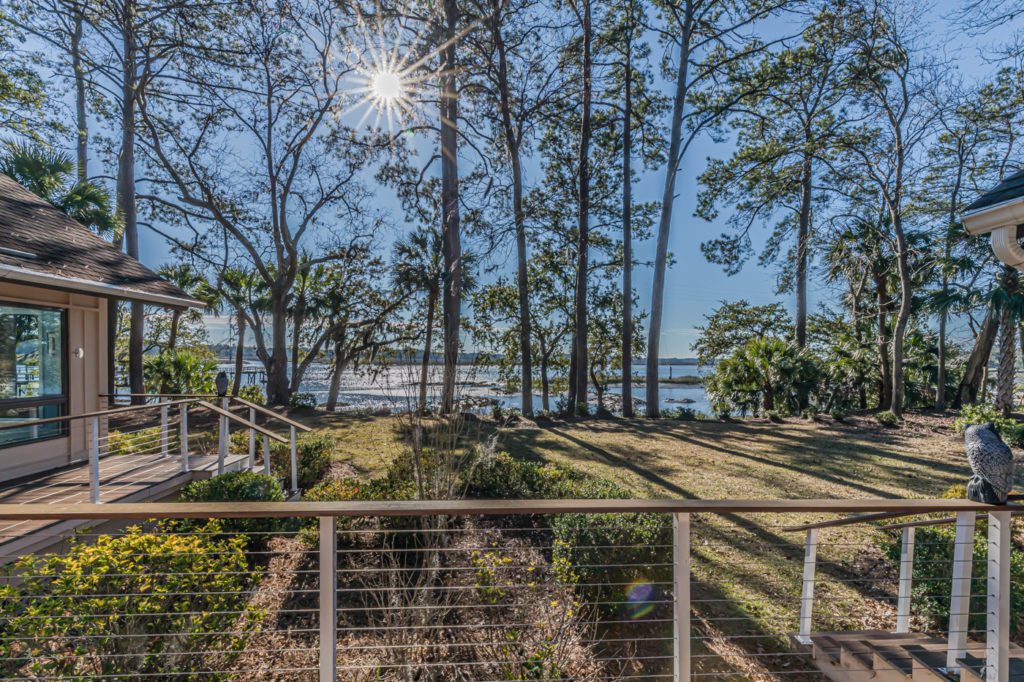
Waterfront living holds an undeniable charm in the Lowcountry. From sunrises over the marsh to the sound of tides shifting along the Beaufort River, there’s something timeless about life on the water. For many families and retirees, building on a waterfront lot represents more than a home; it’s the realization of a lifestyle filled with beauty, tranquility, and connection to nature.
The Lifestyle Appeal of Riverfront, Marshfront, and Oceanfront Homes
Each type of coastal property offers its own advantages. Riverfront homes provide easy boating access and serene water views, while marshfront properties offer unmatched privacy and vibrant scenery that changes with the tides. Oceanfront homes, though often more exposed, deliver the ultimate in coastal living, steps from the beach and endless horizon views. Wherever you choose to build, the relationship between the land, water, and architecture becomes central to the experience.
Balancing Beauty, Privacy, and Practicality
The allure of these properties comes with important considerations. Waterfront and marshfront sites are inherently more complex to design and build. Soil conditions, setback requirements, and flood regulations all play a role. Balancing the dream of an open-air coastal retreat with long-term practicality is where an experienced builder becomes essential.
Key Factors to Consider Before You Build
Understanding Soil Conditions and Foundation Requirements
Coastal terrain is beautiful, but it also demands careful preparation. Many waterfront lots feature soft, sandy, or marsh-based soils that require specialized engineering. Foundations may need to be deeper, supported by pilings, or designed to account for moisture and shifting conditions. Proper geotechnical assessments at the start ensure the home’s stability and longevity for decades to come.
Flood Zones, Elevation, and FEMA Regulations
Flood zones are a significant part of building in Beaufort County and throughout the Lowcountry. Most waterfront sites fall within FEMA-designated zones that dictate elevation requirements, building methods, and even allowable materials. Elevated foundations, flood vents, and resilient structural systems are not just code requirements; they’re safeguards that protect your investment and your family’s peace of mind.
Permitting and Coastal Construction Approvals
Building near the water involves more layers of approval than a typical inland lot. Depending on your location, you may need a review from the local municipality, a homeowners’ association, or even the South Carolina Department of Health and Environmental Control’s Office of Ocean and Coastal Resource Management (OCRM). These reviews help preserve the integrity of the coastline and ensure all buildings meet environmental and safety standards. An experienced coastal home builder in Beaufort, SC, will know how to navigate these steps efficiently.
Setbacks, Easements, and Waterfront Access Rules
Every waterfront lot comes with specific guidelines for how close a structure can be built to the waterline. Setbacks protect the natural environment, prevent erosion, and maintain privacy between neighboring properties. Easements may also apply to docks, walkways, or shared access points. Understanding these limitations early allows your design to make the most of your lot without delays later in the process.
Insurance and Long-Term Maintenance Planning
Owning a waterfront home comes with additional insurance requirements, including flood and wind coverage. It’s wise to engage your builder and insurance provider early in the process to understand premium ranges and structural recommendations that can help minimize costs. Long-term maintenance, such as protecting against salt air, humidity, and storm exposure, should also factor into your planning.
Designing a Home That Suits the Setting
Maximizing Views With Thoughtful Orientation
One of the joys of building a custom coastal home is tailoring the layout to the landscape. Strategic window placement, elevated living areas, and open floor plans allow natural light and views to define the home. Simple adjustments in orientation can transform how a space feels throughout the day, capturing breezes and framing sunsets across the water.
Choosing Durable, Coastal-Grade Materials
Coastal construction requires materials that can withstand heat, humidity, and salt exposure. Fiber-cement siding, standing-seam metal roofs, stainless-steel fixtures, and impact-rated windows are common choices. While these may increase upfront costs, they pay dividends in durability, energy efficiency, and long-term value.
Outdoor Spaces That Connect to the Water
In the Lowcountry, the outdoors is an extension of the home. Expansive porches, screened living rooms, and patios overlooking the marsh or river create spaces where families gather year-round. Adding features like outdoor kitchens, fire pits, and pools enhances both everyday enjoyment and property value.
Blending Architecture With Natural Surroundings
The best coastal homes look as though they belong to their environment. Using natural materials, muted color palettes, and low-slung rooflines helps your home complement the scenery rather than compete with it. Thoughtful landscape design, native plantings, and minimal shoreline disruption all contribute to a home that feels timeless and harmonious.
Why Experience Matters When Building on the Coast
Local Knowledge of Beaufort’s Waterfront Communities
Building on the coast is as much about understanding the land as it is about construction. From Fripp Island to Dataw and Spring Island, each community has its own character, requirements, and environmental factors. A local builder familiar with Beaufort’s waterfront neighborhoods brings valuable insight into permitting, utilities, and the nuances of Lowcountry design.
Managing Complex Regulations and Reviews
A seasoned builder knows how to anticipate and navigate the red tape that comes with coastal construction. Whether it’s submitting plans to an Architectural Review Board, addressing FEMA documentation, or coordinating with engineers, experience streamlines the process and minimizes stress for homeowners.
Engineering Solutions for Stability and Longevity
Coastal environments require precision and planning. Factors like wind load, storm surge, and soil movement are carefully calculated during design and construction. By partnering with structural engineers and trusted local trades, Allen Patterson Builders ensures every home stands strong against the elements while maintaining its architectural beauty.
Transparent Communication From Planning to Completion
For many clients, especially those building remotely or part-time residents, communication is key. The Allen Patterson Builders team provides consistent updates and clear timelines so clients always feel informed and confident. Transparency, trust, and collaboration define every step of the process.
Partner With Allen Patterson Builders for Your Waterfront Home
Decades of Expertise in Lowcountry Coastal Construction
With decades of experience building homes across Beaufort County, Allen Patterson Builders understands the art and science of coastal construction. From riverfront estates to marsh-view retreats, every project reflects the same commitment to quality, craftsmanship, and respect for the Lowcountry landscape.
Custom Designs That Celebrate the Lowcountry Landscape
Our homes are designed to live in harmony with their surroundings, capturing breezes, framing water views, and creating a natural flow between indoors and out. We collaborate closely with clients to ensure every detail —from the foundation to the finishes —reflects their lifestyle and vision.
Start Planning Your Waterfront Home in Beaufort, SC
Building a coastal home is one of the most rewarding endeavors you can undertake, especially with the right partner by your side. If you’re ready to begin your journey toward a Lowcountry waterfront home, connect with our team to start planning today.
Learn more about our story, explore our portfolio, or meet our team. When you’re ready, contact us to begin bringing your vision to life!